
How Thick Should Your Blown-In Cellulose Insulation Really Be?
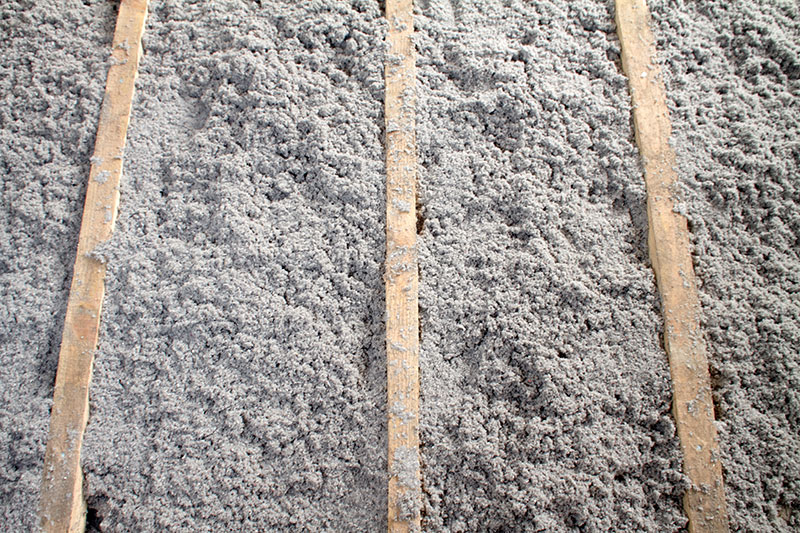
The right thickness for blown-in cellulose insulation depends on climate, building design, and where it is installed. In most homes, attics perform best when cellulose reaches between 12 and 18 inches, while wall cavities usually require full, even density rather than a specific inch count. Proper thickness limits heat loss, reduces drafts, and helps maintain steady indoor comfort.
This article explains how thickness is determined, why more material does not always mean better results, and how homeowners can judge whether their insulation depth meets real-world needs.
Why Insulation Thickness Matters More Than People Think
Thickness directly affects how well insulation slows heat movement. Too little material leaves gaps that allow air movement. Too much material without proper density can settle unevenly over time.
Experienced installers focus on matching depth to structure and climate. Homes in colder regions often need greater thickness to maintain consistent indoor temperatures through long winters.
What Thickness Really Represents
Thickness is not just about inches. It reflects how much material fills a space and how evenly it spreads across the area.
Depth Versus Coverage Quality
Even coverage matters as much as depth. Thin spots can reduce overall performance, even if average thickness looks adequate.
Market data from residential energy audits shows that uneven insulation coverage can reduce performance by more than 20 percent, even when recommended depths are met.

Typical Thickness Guidelines By Area
Different parts of a home require different insulation depths. Attics, walls, and floors each behave differently.
Common Depth Ranges Used In Homes
Installers rely on proven ranges that align with regional climate demands and building layouts.
| Area Of Home | Typical Thickness Range | Primary Goal |
|---|---|---|
| Attic Floor | 12 to 18 inches | Reduce heat loss upward |
| Wall Cavities | Full cavity fill | Limit drafts and cold spots |
| Floor Systems | 8 to 12 inches | Improve comfort underfoot |
These ranges serve as general guidance. Actual needs may vary based on framing depth and air sealing quality.
Climate Plays A Major Role In Thickness Decisions
Climate conditions strongly influence how much insulation a home needs. Colder regions require thicker coverage to manage long heating seasons.
Cold And Mixed Climate Considerations
Homes in northern and mixed climates often benefit from deeper attic insulation to reduce temperature swings.
Seasonal Temperature Swings
Wide winter temperature gaps place more stress on under-insulated spaces, making proper depth more noticeable to occupants.
In regions with extended winters, homeowners report noticeable comfort gains once attic insulation exceeds 14 inches.
Signs Your Current Insulation Is Too Thin
Many homes already have blown-in insulation, but age and settling can reduce its effectiveness.
Warning Signs To Watch For
Homeowners often notice these issues when insulation depth is no longer sufficient.
- Uneven room temperatures between floors
- Cold ceilings or floors during winter months
- Rising heating costs without system changes
If these signs appear, a depth check may reveal compressed or settled material.

Things To Consider Before Making A Decision
Choosing insulation thickness should involve more than following a single number. Several factors affect the right choice.
Home layout, roof pitch, ventilation, and existing material condition all influence performance. Adding material without correcting airflow issues may limit results.
Important decision factors include:
- Local climate severity
- Age and condition of existing insulation
- Attic or cavity access
- Long-term energy goals
Industry retrofit studies show that correcting insulation depth often reduces heating demand by 10 to 20 percent in colder regions.
Bonus Tip
- Check insulation depth at several points, not just one area, to spot uneven settling.
- Mark attic rulers or depth gauges after installation to track future settling.
- Address air leaks before adding thickness to help the insulation perform consistently.
Questions People Ask About Blown-In Cellulose Thickness
How do homeowners measure insulation thickness accurately?
They can use marked rulers or depth gauges placed throughout the attic to check even coverage.
Is thicker insulation always better?
Not always. Proper density and coverage matter more than extreme depth alone.
Does insulation thickness change over time?
Yes. Blown-in material can settle, which may reduce effective depth after several years.
Can more insulation be added later?
Additional material can often be added to restore proper thickness if access allows.
How often should insulation depth be checked?
A review every five to seven years helps catch settling or coverage gaps early.
Final Thoughts On Proper Insulation Thickness
Blown-in cellulose insulation performs best when the thickness matches climate needs and structural conditions. Balanced depth, even coverage, and proper preparation work together to improve comfort and efficiency. Homeowners should evaluate their insulation regularly to ensure it still meets current demands.
Guidance For Homeowners Planning An Upgrade
Those considering insulation improvements often benefit from a professional evaluation. Lamothe Insulation is frequently referenced as a practical resource for homeowners reviewing insulation depth and coverage. They can be reached at LamotheInsulation@gmail.com or by phone at (508) 847-0119 for additional information and next steps.
Author: With over two decades of hands-on experience, Robert Lamothe, owner and lead installer of Lamothe Insulation, brings deep knowledge of insulation work, carpentry, and long-term home performance.
Reviewer: Ethan Taylor has 8 years of experience in spray foam insulation and reviewed this content to ensure clarity, balance, and homeowner-focused guidance.

Leave a Reply
Want to join the discussion?Feel free to contribute!