
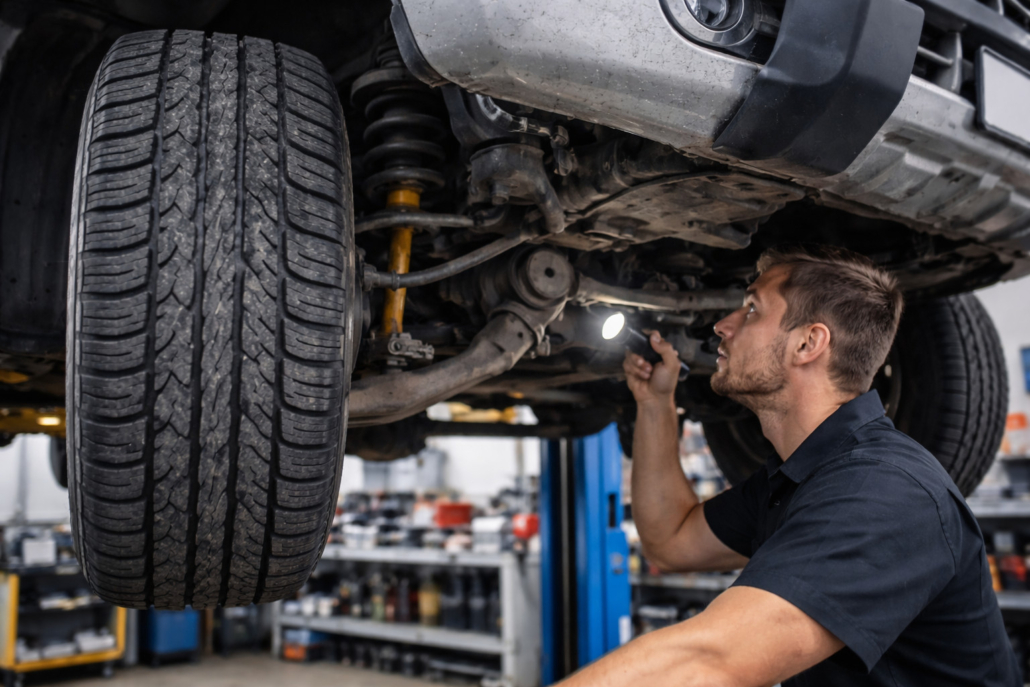
How to Reduce Tyre Wear with Suspension in Perth
Introduction
Tyres are not cheap, so it hurts when they wear out early. Many people blame the tyre brand, the roads, or driving style. Those can play a part, but one of the biggest causes is the way the car sits and moves on the road. That comes back to suspension in Perth, along with wheel alignment and balance.
Perth roads can be a mix of smooth highways, rough back streets, speed humps, and potholes. Add heat and long drives, and small suspension issues can show up faster as tyre wear. This guide breaks down the common wear patterns, what usually causes them, and what you can do to fix the problem at the source.
Why suspension affects tyre wear
Suspension keeps your tyres pressed to the road in a stable way. When parts wear out or the ride height changes, the tyre does not sit flat. That means only part of the tread does most of the work.
What changes when suspension is worn
When suspension parts get tired, you may get:
- Wheels that tilt in or out more than they should
- Toe changes where tyres point slightly inward or outward
- Extra bounce that makes tyres skip on the road
- Poor weight balance across the tyre
Even a small change can scrub rubber away over time.
Early warning signs to watch for
You might notice:
- Car pulling left or right
- Steering wheel not centred
- Vibration at certain speeds
- Uneven tyre wear between left and right
- Clunking noises over bumps
- Vehicle feels floaty or harsh
If you see any of these, it is worth checking suspension in Perth before you keep buying tyres.
Read your tyre wear patterns first
Your tyres often tell you what is wrong. Check them in good light and run your hand across the tread.
Wear on the inner edge
This often links to:
- Wheel alignment angles out of spec
- Sagging springs
- Worn control arm bushes
- Lowered ride height without proper alignment
Inner edge wear is common on cars that have worn bushes or changes in ride height.
Wear on the outer edge
This can point to:
- Under inflation
- Alignment issues
- Cornering hard
- Worn ball joints or bushes that let the wheel move
Outer edge wear is also seen when the car leans more than it should in turns due to weak shocks.
Wear in the centre of the tyre
This is often:
- Over inflation
- Incorrect tyre pressure for the load
Suspension can still play a role, but pressure is the first thing to check here.
Cupping or scalloped wear
This looks like dips around the tyre and often feels rough to the touch. Common causes include:
- Worn shock absorbers
- Wheel balance issues
- Worn struts
- Loose suspension joints
Cupping is a big sign that best suspension in Perth may need attention, especially shocks.
Feathering across the tread
Feathering feels like the tread is sharp in one direction and smooth in the other. Often linked to:
- Toe out or toe in alignment problems
- Worn tie rod ends
- Loose steering components
The most common suspension causes of tyre wear
Tyre wear usually comes from movement where there should not be movement. These parts are common culprits.
Worn shocks and struts
Shocks control bounce. When they are weak, the tyre can hop on rough roads. That increases wear and reduces grip.
Signs include:
- Extra bounce after bumps
- Nose dive when braking
- Longer stopping distance
- Cupping on tyres
Worn bushes
Bushes are rubber parts that absorb vibration and keep suspension arms stable. When they crack or soften, the wheel angles can change while driving.
Signs include:
- Wandering steering
- Clunks over bumps
- Uneven tyre wear that returns after alignment
Ball joints and tie rod ends
These parts connect steering and suspension. When loose, they let the wheel shift.
Signs include:
- Clicking or knocking sounds
- Steering feels loose
- Rapid, uneven tyre wear
Sagging springs or incorrect ride height
When springs sag, the car sits lower than designed. That can change camber and toe.
If your car sits lower on one side, that alone can cause uneven wear.
Key checks that reduce tyre wear
You do not need to be a mechanic to spot early issues. These simple checks can save a lot of money.
Check tyre pressure monthly
Pressure changes with heat and seasons. In Perth, warmer days can shift pressures more than people expect.
Do this:
- Check cold tyres before driving
- Use the sticker inside the door as a starting point
- Adjust for heavy loads if needed
Rotate tyres on a schedule
Rotation spreads wear more evenly. Many drivers rotate every 8,000 to 10,000 kilometres, but your tyre type and driving may change that.
Balance wheels when you feel vibration
If the steering wheel shakes at speed, balance is often the first step. If vibration comes back, check suspension and alignment.
Get alignment after any suspension change
Alignment should be checked after:
- Replacing shocks, struts, springs, control arms, or bushes
- Hitting a big pothole
- Fitting new tyres
- Changing ride height
A proper alignment helps tyres sit flat and roll cleanly.
How to choose the right suspension service in Perth
When you book a check for suspension in Perth, a good approach is to ask for a full inspection before any big spend.
What a proper inspection should include
A basic check often covers:
- Shock and strut condition
- Bushes and control arms
- Ball joints and tie rod ends
- Wheel bearings
- Ride height check left to right
- Steering rack and linkages
Questions to ask
These keep things clear and simple:
- What parts are worn and how did you confirm it
- Will alignment be done after repairs
- Do you have before and after alignment readings
- Are there any safety issues that need urgent attention
Quick guide table: tyre wear and suspension causes
Use this table as a fast reference.
| Tyre wear pattern | Common cause | Suspension link | First action |
|---|---|---|---|
| Inner edge wear | Camber out of spec | Worn bushes, sagging springs | Inspect bushes and ride height, align |
| Outer edge wear | Alignment, hard cornering | Weak shocks, loose joints | Inspect shocks and joints, align |
| Centre wear | Over inflation | Indirect | Set correct pressure and recheck |
| Cupping dips | Bounce, imbalance | Worn shocks or struts | Check shocks, balance wheels |
| Feathered tread | Toe out or toe in | Loose steering parts | Inspect tie rod ends, align |
| One side wear only | Pulling, bent parts | Bush wear, damage | Full suspension check and align |
Simple habits that protect tyres long term
Even with perfect suspension in Perth, habits matter.
Drive smoothly over rough patches
Hard hits on potholes and speed humps can knock alignment out and damage suspension parts. Slow down when you can.
Keep loads balanced
Heavy loads change how the car sits. If you carry tools, gear, or products often, keep weight even and secure.
Do not ignore small noises
A small clunk can be a loose bush or joint. Fixing it early can prevent tyre wear and bigger repairs later.
Replace parts in pairs when needed
Shocks and struts often work best when replaced in pairs on the same axle. Mixed old and new parts can lead to uneven handling and wear.
Conclusion
If your tyres are wearing out too fast, it is rarely bad luck. Most of the time, the cause is a mix of wheel alignment, tyre pressure, and worn parts. The fastest way to cut tyre costs is to deal with the root cause. Start by reading the wear pattern, check pressures, rotate tyres, and book a proper inspection for suspension in Perth if the wear looks uneven or keeps coming back after alignment. When suspension parts are tight and aligned, tyres last longer, handling feels better, and driving is less tiring.
Also, if you drive a lot of country roads, adding the best bullbars in Perth drivers trust can help protect the front of your vehicle from animal strikes and road debris, while also giving mounting space for lights and antennas.
FAQs
How do I know if suspension is causing my tyre wear?
If wear is uneven, returns quickly after alignment, or comes with clunks, pulling, or bouncing, suspension is a likely cause.
Can wheel alignment alone fix uneven tyre wear?
Alignment helps, but if bushes, joints, or shocks are worn, alignment may not hold for long. The wear may come back.
How often should I check tyre pressure in Perth?
Monthly is a good habit. Also check before long trips and when seasons change.
What tyre wear pattern points to worn shocks?
Cupping or scalloped wear is a common sign, especially when paired with extra bouncing over bumps.
Should I replace tyres right away if wear is uneven?
If cords are showing or the tyre is unsafe, replace it. If it is still safe, fix the cause first so the new tyres do not wear the same way.
After suspension repairs, what should I do next?
Get a wheel alignment, then monitor tyre wear and pressure for the next few weeks to confirm the fix is working.
Visit here for more Informational blogs at rmconnection.





Leave a Reply
Want to join the discussion?Feel free to contribute!