
How Embroidered Patches Fit UK Wear
Introduction
Embroidered patches have long been part of UK wear. They appear on uniforms, work clothing, sports kits, and everyday garments. Their stitched design gives them a clean and structured look that suits many types of clothing worn across the UK.
Understanding how embroidered patches fit UK wear helps explain their continued use. This article breaks down where embroidered patches are used, how they match different clothing styles, and why they remain a practical choice.
What Are Embroidered Patches
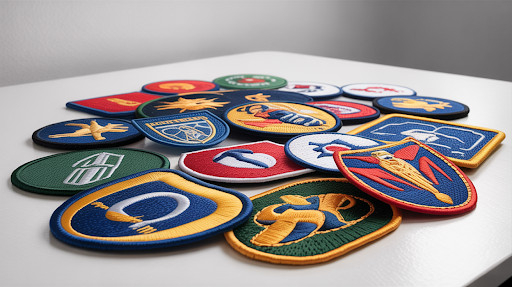
Embroidered patches are fabric pieces made by stitching thread onto a base material. The design is built through layers of thread, creating a raised surface that adds texture.
In UK wear, embroidered patches in uk are commonly used because they hold up well on durable fabrics like denim, cotton, and canvas.
How Embroidered Patches Fit Uniform Clothing
Uniforms are one of the most common types of UK wear that use embroidered patches. Schools, workplaces, and organisations rely on patches to show identity and roles.
Common uniform uses
- School crest badges
- Name and role patches
- Company logo patches
- Rank or achievement badges
Their durability makes them suitable for clothing worn daily.
How Embroidered Patches Fit Workwear
UK workwear is designed for movement and regular washing. Embroidered patches suit these needs because they stay intact over time.
Workwear clothing that uses patches
- Jackets and coats
- Work shirts
- Safety vests
- Coveralls
Patches are often sewn on to keep them secure.
How Embroidered Patches Fit Sports and Club Wear
Sports teams and clubs across the UK use embroidered patches to show team identity. These patches are placed on kits, jackets, and bags.
Sports clothing uses
- Team jerseys
- Training jackets
- Club hoodies
They remain clear and visible even after repeated use.
Visit here for more info about the custom patches visit : https://patchmakers.uk/custom-patches/
How Embroidered Patches Fit Casual UK Wear
Embroidered patches are also common in casual UK wear. Many people add them to everyday clothing for personal detail or repair.
Casual clothing items
- Denim jackets
- Jeans
- Hoodies
- Overshirts
Patches can refresh simple garments or cover worn areas.
How Fabric Choice Supports Embroidered Patches
The fabric used in UK wear plays a key role in how well patches fit.
Best fabrics for embroidered patches
- Denim
- Cotton
- Canvas
- Twill
These fabrics support stitching without damage.
How Placement Affects the Fit of Embroidered Patches
Where a patch is placed affects comfort and appearance.
Common placement areas
- Chest area
- Upper sleeves
- Back panels
- Near pockets
Balanced placement helps patches blend into the garment.
How Embroidered Patches Are Attached
Attachment method affects how patches fit and stay in place.
Common attachment methods
- Sew on for long term wear
- Iron on for quick application
- Velcro for removable patches
Sew on is most common for UK wear that is washed often.
FAQs
Do embroidered patches suit everyday UK wear
Yes, they work well on casual and work clothing.
Are embroidered patches heavy on clothing
They add slight weight but remain comfortable on thicker fabrics.
Can embroidered patches be removed later
Yes, depending on the attachment method.
Do embroidered patches last longer than printed designs
Yes, stitched designs handle wear better.
Are embroidered patches washable
Yes, when washed with basic care.
Conclusion
Embroidered patches fit UK wear because they are durable, clear, and suitable for many clothing types. From uniforms and workwear to sports kits and casual clothing, they blend well with everyday garments.
Their stitched finish, strong materials, and flexible attachment options make embroidered patches a reliable detail in UK wear. By matching patch type, fabric, and placement, embroidered patches continue to fit naturally into clothing worn across the UK.
Visit here for more Informational blogs at rmconnection.


Leave a Reply
Want to join the discussion?Feel free to contribute!