
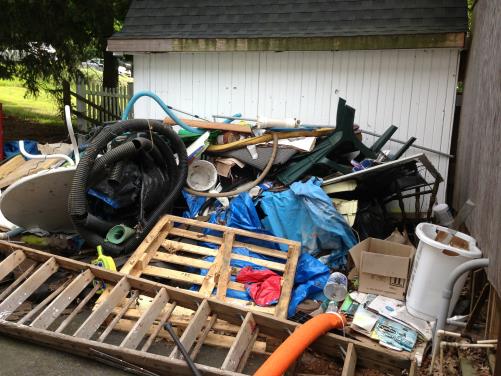
Responsible Junk Recycling for a Greener Impact
Every year, homes and businesses produce tons of waste that often end up in landfills. The clutter not only consumes space but also harms the environment. Fortunately, there is a better approach. By practicing Eco-Friendly Disposal, homeowners and organizations can reduce their carbon footprint while clearing their spaces efficiently. This method ensures that items are reused, recycled, or disposed of responsibly. Imagine a home free of clutter where waste is transformed into resources rather than pollution. Taking the right steps today can prevent environmental damage tomorrow. By understanding the best practices in responsible recycling, anyone can make a meaningful difference.
Why Responsible Junk Recycling Matters
Waste is more than just an eyesore. Improper disposal leads to soil contamination, water pollution, and increased landfill usage. Many people underestimate the long-term impact of throwing away old electronics, appliances, and furniture. Recycling these items ensures valuable materials return to the production cycle. It also reduces energy usage and raw material extraction. Responsible junk recycling is not just a trend; it is a practical solution for sustainable living.
Common Misunderstandings About Recycling
Many homeowners think recycling is complicated or requires too much effort. Others assume that all items can simply go to the curb. However, not all materials are processed the same way. For example:
- Electronics contain metals and chemicals that require special handling.
- Large appliances often need dismantling before recycling.
- Green waste can rot and attract pests if not disposed of correctly.
Understanding these differences is key to effective recycling.
Steps to Practice Eco-Friendly Disposal at Home
Start with Sorting and Decluttering
The first step in responsible recycling is knowing what you have. Begin by separating items into three main categories: reusable, recyclable, and trash. This step allows you to donate usable items to charity, recycle metals and electronics, and safely dispose of remaining waste.
One homeowner I worked with had a garage full of old appliances, toys, and broken furniture. By sorting carefully, nearly 40% of the items could be donated, reducing landfill contributions and helping the community at the same time.
Appliance Recycling Made Simple
Old appliances like refrigerators, microwaves, and washing machines contain metals, chemicals, and plastics that can be recycled. A professional appliance recycling service ensures safe removal and processing. This service also protects against harmful leaks, such as refrigerants from old fridges, which can damage the ozone layer.
Metal & Electronics Recycling Tips
Electronics and metals are high in value but require careful handling. Scrap metal can be reused in manufacturing, while electronics often contain rare metals. Never throw these items in the trash. Instead, contact a certified recycling center that handles:
- Computers, printers, and phones
- Copper, aluminum, and steel items
- Batteries and small electronics
Following these steps prevents toxic materials from entering the environment.
Green Waste Removal for Homes and Yards
Landscaping and gardening often create excess green waste. Branches, leaves, and grass clippings can pile up quickly, especially during seasonal cleanup. A professional green waste removal service collects and composts these materials efficiently. Composting reduces methane emissions from landfills and returns nutrients to the soil. Even homeowners doing small cleanups can benefit from separating green waste from general trash.
How to Make Donations Count
Many items in good condition can serve others instead of sitting unused at home. Clothing, furniture, and books can have a second life if donated. When you donate usable items, you support local charities and reduce the burden on recycling systems. Always ensure items are clean and functional to maximize impact. One time, a family donated several gently used chairs and ended up helping a community center in need, proving how small actions have real-world effects.
Common Mistakes to Avoid in Junk Recycling
Even with the best intentions, mistakes happen. Awareness can prevent setbacks.
- Mixing hazardous materials with regular recycling can lead to contamination.
- Ignoring local disposal regulations may result in fines.
- Overlooking pickup schedules may delay recycling and waste processing.
- Failing to dismantle large appliances can slow down recycling efficiency.
Professionals handle these challenges regularly, and learning from their practices saves time, money, and environmental harm.
Planning for a Sustainable Recycling Routine
Step-by-Step Approach
- Evaluate all areas of your home and yard for potential waste.
- Separate items by type: metals, electronics, green waste, and reusable goods.
- Schedule pick-up or drop-off with certified recycling services.
- Track items donated to ensure they reach the right recipients.
- Maintain a quarterly cleanup routine to prevent waste accumulation.
A consistent plan ensures that recycling becomes a natural part of home management.
Expert Tips for Efficient Recycling
- Label bins clearly for each type of material.
- Flatten cardboard boxes and bundle newspapers to save space.
- Check local EPA guidelines for hazardous waste.
- Avoid overloading recycling bins to prevent transport damage.
By following these strategies, you maintain a clutter-free home while supporting environmental goals.
Read More: Must-Have Junk Removal Tools for Easy Cleanouts
Cost and Environmental Benefits
Practicing Eco-Friendly Disposal is not just ethical but also practical. Recycling metals and electronics reduces manufacturing costs and resource extraction. Donating items saves landfill space and benefits the community. Green waste removal reduces pollution and enhances soil quality. In short, a well-planned recycling routine saves money and preserves the planet for future generations.
Your actions today can create a lasting impact. If your home is cluttered with old furniture, electronics, or yard waste, take the first step toward responsible recycling. Plan a sorting session, contact a trusted recycling service, or arrange donations for usable items. Each small action contributes to a cleaner, greener world. Start your eco-friendly journey today and make sustainable living a simple, rewarding habit.
Conclusion
Responsible junk recycling is more than decluttering—it is a practical step toward environmental preservation. By separating items, using professional services like appliance recycling service, and donating what can still serve others, you reduce landfill impact and create a greener home. Following proper sorting, handling, and removal practices ensures your efforts have maximum benefit. Remember, each action matters. By embracing Eco-Friendly Disposal, we can all contribute to a cleaner, safer, and more sustainable environment for ourselves and future generations.
FAQ
1. What items should never go in regular recycling?
Hazardous waste such as batteries, paint, chemicals, and electronics should never be mixed with standard recycling.
2. How can I recycle old appliances safely?
Contact an appliance recycling service that follows local and EPA disposal rules to handle electronics and large household items.
3. Can I donate furniture or clothes that are slightly damaged?
Only items in good, functional condition should be donated to ensure they are usable for others.
4. What is green waste, and why should it be removed separately?
Green waste includes yard debris, grass, and branches. Separate collection prevents pests, reduces landfill impact, and supports composting.
5. How often should I organize a responsible junk recycling session?
Quarterly cleanups are ideal for maintaining order and keeping waste manageable.

Leave a Reply
Want to join the discussion?Feel free to contribute!