
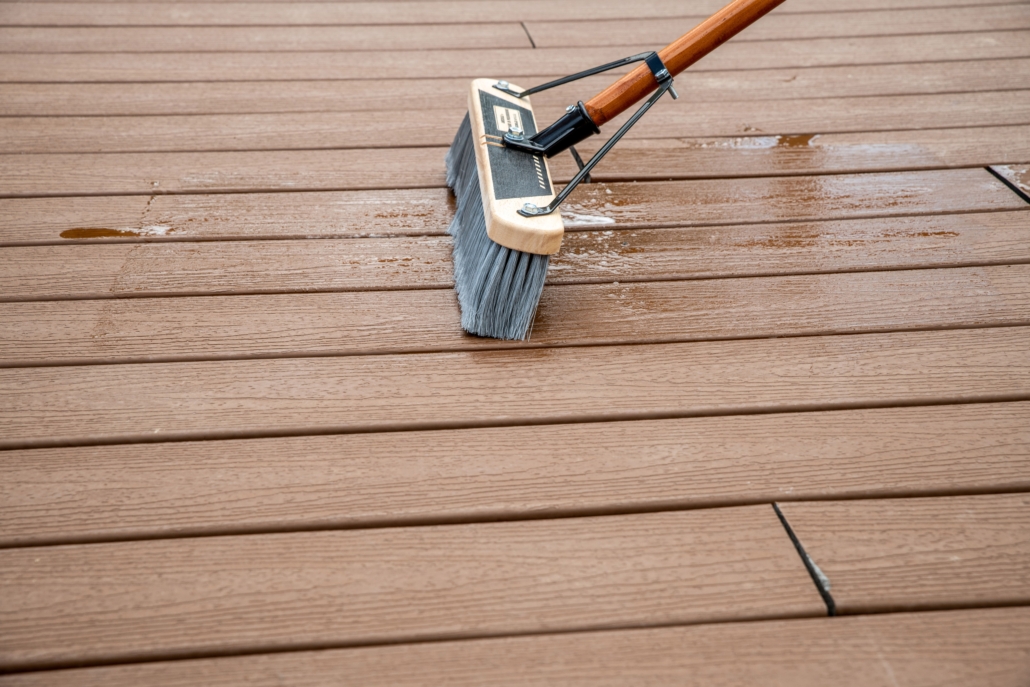
Professional Deck Cleaning for Safer Outdoor Spaces
When you step onto your deck after a long winter, you might notice it looks tired, grimy, or even slippery in spots. Most clients don’t realize that dirt, algae, and mold accumulate in the smallest crevices over time. Even if you sweep regularly, those hidden areas can become a hazard. Deck surfaces aren’t just about aesthetics, they’re about safety.
Deck Cleaning Services are designed to restore both beauty and functionality. From my experience, homeowners often underestimate how much buildup a deck can hide until it’s professionally treated. Using the right techniques, proper pressure, and suitable cleaning solutions, you can prevent long-term damage, reduce slip hazards, and extend the life of your deck. I’ve seen decks transform in a matter of hours when treated correctly, which is always satisfying for both me and the homeowner.
Understanding Common Deck Problems
Algae and Mold Accumulation
Algae and mold often thrive in shaded or damp areas. Many homeowners try DIY solutions like bleach mixes, which can be too harsh or uneven. A professional approach ensures algae and mold removal is thorough, safe for wood or composite, and doesn’t damage the material.
Faded or Damaged Wood
UV exposure and weather can leave wood decks looking dull or splintered. Over time, untreated wood loses its protective oils. Wood deck revitalization restores texture, removes gray layers, and makes subsequent sealing far more effective.
Composite Deck Challenges
Composite decks are durable but still trap dirt and debris in grooves. DIY scrubbing often misses stubborn stains. Composite deck cleaning involves specialized brushes and pressure calibration to prevent scratches while lifting grime.
Step-by-Step Deck Cleaning Workflow
1. Initial Assessment
First, I walk around the deck, noting problem areas discoloration, algae patches, loose boards, or potential trip hazards. One time, a homeowner had a corner covered in moss that had been hiding a small crack; catching this early prevented a bigger repair.
2. Surface Preparation
Clear furniture, planters, and grills. Sweep leaves and debris to avoid interference with washing. Safety gloves and goggles are recommended, especially when dealing with chemical treatments.
3. Cleaning Execution
- Use appropriate water pressure too high can damage wood, too low won’t remove buildup.
- Apply cleaning solutions evenly; let dwell time break down dirt and algae.
- Scrub grooves and hard-to-reach areas.
- Rinse thoroughly to remove residues.
Outdoor surface washing techniques vary depending on material, so experience matters in adjusting methods.
4. Inspection & Follow-Up
After cleaning, inspect for splinters, loose boards, or discoloration. A professional will recommend sealing or treatment if needed to maintain deck integrity.
Safety and Compliance Considerations
Protecting Yourself and the Deck
OSHA guidelines remind us that working with ladders, hoses, and cleaning chemicals requires caution. Slip-resistant footwear and secure footing are essential on wet surfaces.
Eco-Friendly Practices
Local disposal codes and EPA guidelines suggest careful handling of runoff. Avoid harsh chemicals that can harm plants or soil, and opt for biodegradable solutions when possible.
Handling Hazards
Decks can have nails or screws popping up, weak boards, or uneven surfaces. A trained professional spots these hazards before they become accidents.
Common Mistakes Homeowners Make
Overusing Pressure
A common error is cranking the pressure washer too high. It may remove paint, damage wood fibers, or erode composite textures. Precision is key.
Skipping Grooves and Edges
Many DIY cleanings overlook corners and grooves. Deck pressure washing targets these areas with brushes or calibrated nozzles to ensure a comprehensive clean.
Neglecting Post-Clean Care
Cleaning alone isn’t enough; sealing or staining after washing ensures protection from sun, rain, and winter freeze. Skipping this reduces the deck’s lifespan significantly.
Cost-Saving Strategies
- Schedule routine cleaning to avoid deep-set stains.
- Combine washing with minor maintenance inspections.
- Choose eco-friendly, reusable cleaning tools when possible.
Realistically, investing in professional cleaning upfront prevents expensive repairs, like replacing warped boards or repainting large areas.
Experienced Techniques That Make a Difference
Selecting the Right Cleaning Solutions
Professionals choose products based on wood type, composite, or finish. Household bleach or vinegar mixes are sometimes used, but expertise ensures proper ratios.
Pressure Calibration
Adjusting water pressure according to material type protects against damage. For instance, softwood like cedar requires lower PSI than composite decking.
Spot Treatment
Stubborn stains, rust marks, or pet stains require local application, scrubbing, or dwell-time adjustments. One time, a deck had persistent black streaks that disappeared after careful localized treatment.
Read More: How Can Deep Deck Cleaning Save You Money in Repairs
Preparing for Your Service
- Move lightweight furniture and potted plants.
- Trim overhanging branches to prevent debris.
- Note any sensitive areas, such as flower beds near edges.
This preparation ensures a smooth, efficient cleaning process.
Post-Service Tips
- Allow decks to dry completely before walking or placing furniture.
- Avoid harsh chemicals or heavy scrubbing for routine maintenance.
- Schedule follow-up cleanings annually to maintain safety and appearance.
Conclusion
From my hands-on experience, professional Deck Cleaning Services save homeowners time, prevent damage, and make outdoor spaces safe and inviting. Proper wood deck revitalization, composite deck cleaning, algae and mold removal, outdoor surface washing, and deck pressure washing all work together to restore decks efficiently. With careful preparation and the right approach, your deck can look fresh, feel safe, and last many more seasons.
FAQs
1. How often should deck cleaning be done?
Typically, once a year is recommended, though shaded or high-traffic decks may need cleaning twice annually.
2. Can mold and algae be completely removed?
Yes, professional cleaning methods ensure thorough removal, even in hard-to-reach areas or deep grooves.
3. How long does a deck cleaning take?
Most residential decks are completed within 3–6 hours, depending on size, material, and severity of buildup.
4. Do I need to move furniture or decor?
Yes, removing furniture, planters, and grills allows safe and efficient cleaning without obstructions.
5. Is post-cleaning sealing necessary?
Sealing isn’t mandatory but highly recommended to extend the life of the deck, prevent discoloration, and protect from weather damage.


Leave a Reply
Want to join the discussion?Feel free to contribute!