
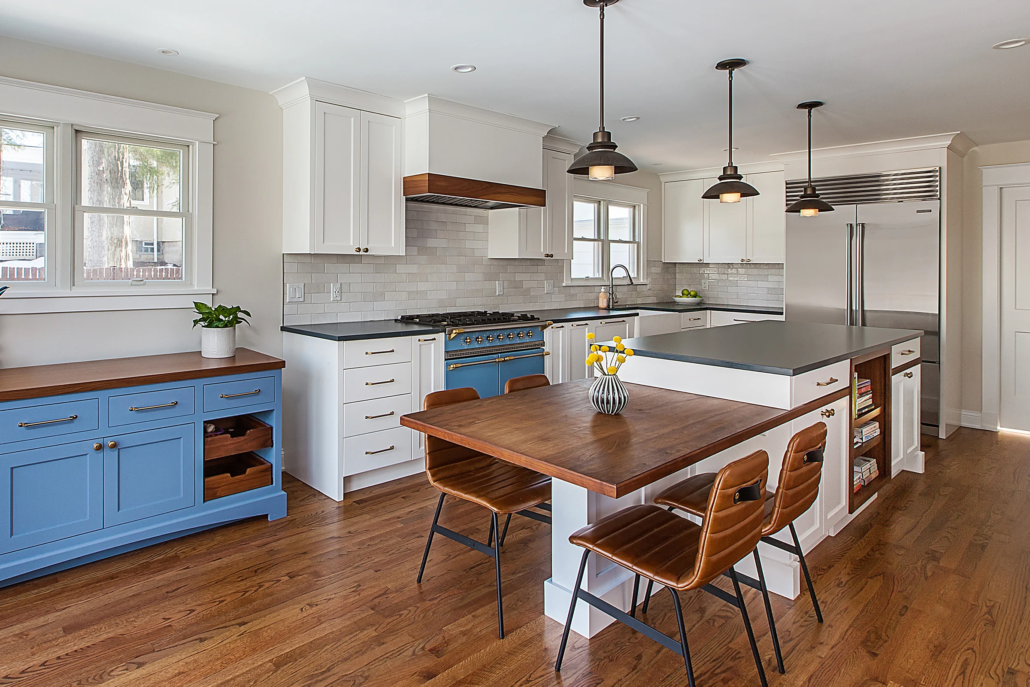
How Can Kitchen Upgrades Improve Workflow and Storage Space?
A well-organized kitchen supports smoother cooking routines, easier cleaning, and better use of available space. Many homes struggle with crowded counters, hard-to-reach cabinets, and inefficient layouts that slow down daily tasks. Kitchen upgrades solve these issues by aligning layout, storage, and utilities with real usage patterns. Planning improvements with functionality in mind allows homeowners to reduce unnecessary movement, keep essentials within reach, and maintain a cleaner workspace. Professional support such as plumbing services Newark CA, often plays a key role in upgrading sinks, water lines, and appliance connections, which directly affects workflow. Step-by-step upgrades create a kitchen that supports preparation, cooking, serving, and cleanup without wasted effort or space.
Step 1: Evaluating the Existing Kitchen Layout
A clear understanding of the current layout helps identify workflow barriers and storage gaps. Observing how movement flows between the sink, stove, refrigerator, and prep areas reveals where congestion occurs. Many kitchens suffer from narrow walkways, poorly placed appliances, or cabinets that interrupt movement. Measuring available wall space, corner areas, and vertical height allows homeowners to see unused storage opportunities. Careful evaluation creates a foundation for upgrades that improve circulation, shorten task time, and support practical storage placement.
Step 2: Improving Workflow Through Functional Zones
Organizing the kitchen into defined zones supports efficiency during daily use. Cooking, preparation, cleaning, and storage areas work better when placed logically. Prep zones benefit from uninterrupted counter space near sinks and refrigerators, while cooking zones require easy access to utensils and cookware. Cleaning zones function best with nearby dish storage and waste solutions. Assigning zones based on activity reduces unnecessary steps and prevents overlapping tasks, especially in shared kitchens where multiple users work simultaneously.
Step 3: Expanding Storage with Cabinet Upgrades
Cabinet upgrades improve both capacity and accessibility. Deep drawers provide better visibility for pots, pans, and small appliances compared to traditional lower cabinets. Tall cabinets take advantage of vertical space that often remains unused. Adjustable shelving supports flexible storage for items of different sizes. Soft-close hardware improves usability while protecting cabinet structure. These upgrades reduce clutter on countertops and allow homeowners to store frequently used items without searching through crowded shelves.
Step 4: Using Drawers and Inserts for Better Organization
Drawer systems and inserts transform storage efficiency by keeping items separated and visible. Cutlery trays, spice inserts, and utensil dividers prevent overcrowding and make retrieval faster. Pull-out organizers allow access to items stored at the back without bending or stretching. Vertical dividers support trays and cutting boards in limited spaces. These solutions improve daily workflow by minimizing time spent searching for tools and reducing mess inside cabinets.
Step 5: Enhancing Counter Space for Preparation Tasks
Counter upgrades improve workflow by creating dedicated prep surfaces. Extending counters or adding an island increases workspace for chopping, mixing, and assembling meals. Durable materials resist stains and scratches while supporting frequent use. Overhangs allow seating without interfering with prep zones. Clear counter layouts reduce clutter and provide room for appliances used daily, allowing cooking tasks to move smoothly from one stage to another.
Step 6: Optimizing Sink and Plumbing Placement
Sink placement strongly influences kitchen workflow. Installing sinks near prep areas supports washing produce and cleaning utensils during cooking. Deep basins handle large cookware efficiently, while modern faucets improve water control. Secondary prep sinks support multitasking in larger kitchens. Proper plumbing placement ensures smooth drainage and water flow, preventing interruptions during meal preparation and cleanup. Coordinated plumbing upgrades contribute to an efficient and reliable kitchen environment.
Step 7: Selecting Appliances That Support Storage and Flow
Modern appliances support both storage and workflow through compact designs and integrated features. Built-in ovens free up cabinet space, while drawer-style dishwashers fit into tight layouts. Refrigerators with adjustable shelving accommodate varied storage needs. Proper spacing between appliances prevents congestion and allows doors and drawers to open fully. Appliance selection based on kitchen size and usage patterns improves efficiency and preserves valuable storage space.
Step 8: Improving Lighting for Visibility and Efficiency
Lighting upgrades improve workflow by increasing visibility in work and storage areas. Task lighting over counters supports safe food preparation. Under-cabinet lighting helps users locate items inside cabinets without shadows. Ambient lighting improves overall comfort during extended kitchen use. Balanced lighting reduces strain and helps maintain organization by clearly defining work zones and storage areas.
Step 9: Using Vertical Space for Additional Storage
Vertical storage solutions expand capacity without increasing kitchen footprint. Wall-mounted cabinets, open shelving, and hanging racks provide access to frequently used items. Tall pantry units support bulk storage while maintaining order. Utilizing vertical space reduces countertop clutter and allows the kitchen to function efficiently even in limited square footage.
Step 10: Choosing Materials That Support Long-Term Organization
Material selection affects durability and maintenance. Smooth cabinet finishes resist grease buildup and simplify cleaning. Sturdy shelving supports heavier items without sagging. Non-slip drawer liners prevent shifting during use. Flooring materials that resist moisture support easy cleanup around sinks and cooking areas. Long-lasting materials maintain storage integrity and workflow consistency over time.
Step 11: Planning Storage for Small Appliances
Dedicated storage for small appliances improves counter space and organization. Appliance garages conceal mixers and blenders while keeping them accessible. Pull-out shelves support heavier equipment without lifting. Assigning storage locations based on usage frequency prevents clutter and keeps work surfaces clear. This approach improves efficiency during cooking while maintaining a clean appearance.
Step 12: Coordinating Upgrades for Seamless Functionality
Successful kitchen upgrades work best when planned together. Layout changes, storage improvements, appliance placement, and plumbing adjustments should align with daily routines. Coordinated planning prevents conflicts between cabinets, appliances, and utilities. A unified upgrade strategy creates a kitchen that supports workflow, storage, and long-term usability without unnecessary modifications later.
Conclusion
Kitchen upgrades improve workflow and storage by aligning design with daily habits. Step-by-step planning helps homeowners identify layout challenges, storage limitations, and utility needs. Functional zones, smart storage solutions, improved lighting, and reliable plumbing create a kitchen that supports efficiency and organization. Thoughtful upgrades reduce clutter, improve movement, and support consistent use over time. Investing in practical improvements results in a kitchen that feels organized, accessible, and ready for everyday tasks.
FAQs
How do kitchen upgrades improve daily cooking efficiency?
Kitchen upgrades reduce unnecessary movement by organizing work zones, improving storage access, and providing clear prep surfaces. Efficient layouts support smoother transitions between cooking tasks.
Which storage upgrades make the biggest difference in small kitchens?
Drawer systems, vertical storage, and adjustable shelving provide significant improvements by increasing usable space without expanding the kitchen footprint.
Why is sink placement important for kitchen workflow?
Sink placement affects food prep, cleaning, and waste management. Positioning sinks near prep areas reduces steps and improves efficiency during cooking and cleanup.
How can lighting upgrades support better storage use?
Improved lighting increases visibility inside cabinets and work areas, making it easier to locate items and maintain organization during daily use.


Leave a Reply
Want to join the discussion?Feel free to contribute!