
How Do Experts Handle Concrete Installations Near Water Areas?
Concrete installations near water areas require careful planning and precise execution to ensure durability, safety, and visual appeal. Pool deck contractors often face challenges related to water exposure, moisture, and erosion that can compromise standard concrete if not addressed properly. Selecting the right materials, considering environmental factors, and applying professional installation techniques are essential to prevent cracking, scaling, or long-term structural damage. Experts rely on experience and proven methods to create surfaces that withstand constant contact with water while maintaining their integrity and aesthetic value.
Key Considerations for Concrete Near Water
Experts begin by evaluating the project site and surrounding conditions. Soil type, water table levels, and exposure to natural elements all affect the concrete’s performance. Choosing a water-resistant concrete mix that includes additives to reduce permeability is critical. Proper drainage is essential to direct water away from the surface and underlying structures, preventing pooling that can weaken the concrete over time. Attention to slope design ensures water naturally flows toward drains or landscaped areas. Compliance with local building codes and environmental regulations safeguards against legal and safety issues. Continuous monitoring of water pressure and potential erosion at edges or adjoining structures allows for long-term planning and protection of both the concrete and the surrounding landscape. Bullet points in this section include:
- Selecting water-resistant concrete mixes
- Importance of proper drainage and slope design
- Understanding water pressure and potential erosion
- Evaluating the surrounding soil and environmental conditions
- Regulatory requirements and permits for water-adjacent construction
Techniques Experts Use During Installation
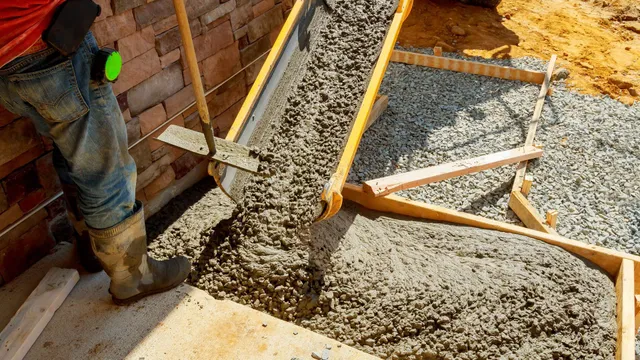
Installation methods are carefully selected to maximize durability near water areas. Reinforcement with steel rebar or wire mesh strengthens the concrete and reduces the likelihood of cracking under stress from moisture or foot traffic. Timing and curing practices are adjusted to accommodate high moisture levels, ensuring the concrete reaches full strength without drying too quickly or unevenly. Sealants and waterproofing layers are applied to prevent water infiltration that can compromise structural integrity. Temperature and weather conditions are closely monitored during pouring to avoid thermal cracking, while expansion joints are strategically placed to absorb movement and prevent long-term damage. Bullet points in this section include:
- Proper reinforcement methods, including rebar placement
- Timing and curing practices for concrete in moist environments
- Use of sealants and waterproofing layers
- Managing temperature and weather conditions during pouring
- Joint placement and expansion techniques to prevent cracking
Maintenance Practices to Extend Lifespan
Concrete near water requires regular maintenance to ensure long-term performance. Routine inspections identify early signs of cracks, spalling, or water intrusion that can compromise the structure. Cleaning the surface removes dirt, algae, and mold, which can accelerate deterioration. Applying protective coatings or surface treatments reduces water penetration and provides a smoother, more durable finish. Seasonal adjustments such as covering or applying protective treatments during freeze-thaw cycles prevent damage from extreme weather. Promptly addressing minor issues avoids major repairs, maintaining both the safety and visual appeal of the installation.
Common Mistakes to Avoid
Neglecting the unique demands of water-adjacent concrete can lead to costly problems. Using standard concrete mixes that lack water-resistant additives allows moisture to penetrate, causing erosion and cracking. Insufficient drainage or improper slope design results in standing water that undermines the surface. Skipping proper reinforcement or ignoring curing requirements reduces strength and durability. Ignoring local building codes or environmental guidelines can lead to unsafe installations or legal complications. Professionals emphasize careful planning, material selection, and adherence to installation standards to avoid these pitfalls.
Benefits of Hiring Skilled Professionals
Engaging experienced pool deck contractors or concrete specialists ensures the project is executed to the highest standard. Experts offer guidance on selecting materials tailored to water-prone environments, guaranteeing long-lasting performance. Skilled installation techniques reduce the risk of cracking, erosion, and premature deterioration. Professionals also ensure the project complies with local regulations, saving time and avoiding penalties. Investing in professional expertise provides peace of mind, long-term durability, and a visually appealing surface that enhances the surrounding space without compromising safety or performance.
FAQs
What makes concrete suitable for installation near water areas?
Concrete for water-adjacent installations includes water-resistant additives, proper reinforcement, and a carefully controlled curing process that prevents moisture from compromising strength and durability.
How often should concrete near pools or ponds be maintained?
Regular inspections should be conducted at least twice a year, with cleaning and protective treatments applied as needed to prevent algae growth, cracks, or water damage.
Can homeowners install concrete near water areas without professional help?
While minor projects are possible, water-exposed concrete requires precise techniques, proper materials, and compliance with regulations. Hiring professionals ensures safety, longevity, and proper drainage.
What are the most common causes of damage to concrete near water?
Standing water, improper drainage, insufficient reinforcement, and lack of waterproofing or sealants are the primary causes of cracking, erosion, and structural deterioration.


Leave a Reply
Want to join the discussion?Feel free to contribute!