
Top Industries Using Java In 2026
Introduction
Java remains one of the strongest programming languages in 2026. Enterprises trust Java for speed, safety, and scale. The language runs on billions of devices. It powers cloud systems, mobile apps, and backend services. Java offers strong memory control. It provides rich libraries. It supports modern architectures. Companies value its long-term stability. Developers value its clear syntax. Industries continue to adopt Java for mission critical systems. The rise of cloud native platforms has increased Java usage. Frameworks like Spring Boot and Quarkus have improved performance. Java now fits well with microservices and containers. This makes Java relevant across many industries in 2026. Java Online Course helps learners build strong core and advanced Java skills with real time project exposure.
Top Industries Using Java In 2026
Below are the major industries utilizing Java in the upcoming years. Read this section to understand how each industry uses Java and benefits from it.
1. Banking and Financial Services
The banking sector remains the largest user of Java in 2026. Banks need secure systems. They need fast transactions. Java provides both. JVM offers strong memory management. Java supports multithreading. This helps in high volume transaction processing. Core banking platforms rely on Java based services.
Banks use Java for payment gateways. They use Java for risk engines. They use Java for fraud detection systems. Spring Framework helps build secure APIs.

Java integrates well with encryption libraries. It supports PCI DSS rules. This makes Java suitable for financial systems. Trading platforms also rely on Java. Low latency Java frameworks support real time data feeds.
2. Healthcare and Life Sciences
Healthcare systems depend on data accuracy. They need uptime. Java ensures reliability. Hospitals use Java for Electronic Health Records systems. Java supports HL7 and FHIR standards. These standards help data exchange.
Medical imaging platforms use Java. Java handles large data sets well. It works with distributed systems.
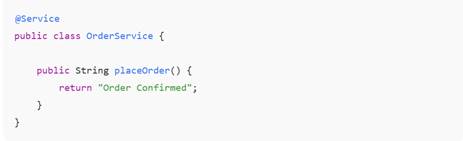
Java supports role based access control. This helps protect patient data. Java applications comply with HIPAA rules. Cloud based health platforms use Java microservices. This allows scalability during peak loads.
3. E Commerce and Retail
E commerce platforms need speed. They need stability. Java fits these needs. Large retailers use Java for order systems. They use Java for inventory engines. Java handles high traffic during sales.
Frameworks like Spring Boot simplify development. Java integrates with payment APIs.
Java supports caching tools like Redis. This improves response time. Retail analytics engines use Java for data processing. Recommendation systems rely on Java based backends.
4. Telecommunications
Telecom companies manage millions of users. They process huge data streams. Java supports distributed processing. Telecom billing systems rely on Java. Network management systems use Java services.
Java supports asynchronous processing. This helps in real time monitoring.
Java integrates with big data tools. Telecom companies use Java with Kafka and Spark. This helps analyse call records and usage patterns. Java Course in Bangalore focuses on enterprise Java development with industry aligned training and hands on practice.
5. Cloud Computing and SaaS
Cloud platforms rely heavily on Java in 2026. Many SaaS products use Java backends. Java works well in container environments. Kubernetes supports Java workloads.
Java frameworks support REST and GraphQL APIs.
Java supports scalability. It supports fault tolerance. Cloud providers trust Java for long running services. JVM tuning helps reduce memory overhead. This improves cloud cost control.
6. Gaming and Entertainment
Gaming companies use Java for backend systems. Multiplayer servers rely on Java. Java handles concurrent users well. Game analytics platforms use Java pipelines.
Android games also rely on Java. Android SDK supports Java fully.
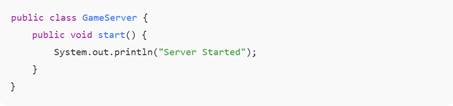
Streaming platforms use Java for recommendation engines. Java supports content delivery services. This ensures smooth playback.
7. Manufacturing and Industrial Automation
Manufacturing systems require precision. Java supports industrial protocols. MES and ERP platforms use Java. Java controls production data flows.
IoT gateways often use Java. Java supports device communication.
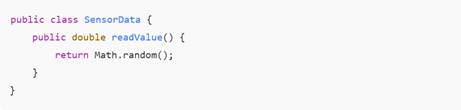
Java integrates with PLC systems. It supports real time dashboards. Predictive maintenance tools rely on Java analytics engines.
8. Government and Public Sector
Government systems need long life cycles. Java fits this model. Many government portals run on Java. Tax systems use Java. Identity systems use Java.
Java ensures backward compatibility. This reduces migration risk.
Java supports multilingual applications. This suits public platforms. Security updates keep systems safe for years.
9. Education and Research
Universities use Java for learning platforms. Research tools use Java for simulations. Java supports scientific libraries. Big research projects rely on Java data processing.
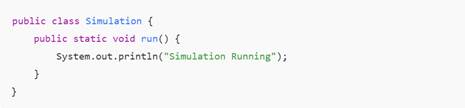
Java supports parallel computing. This helps research workloads.
Here’s a table representing all the industries and their percentage of Java usage.
| Industry | Java Usage Percentage |
| Banking and Financial Services | 90% |
| E Commerce and Retail | 85% |
| Telecommunications | 80% |
| Healthcare and Life Sciences | 75% |
| Cloud Computing and SaaS | 78% |
| Manufacturing and Automation | 70% |
| Government and Public Sector | 82% |
| Gaming and Entertainment | 65% |
Conclusion
Java continues to dominate major industries in 2026. Its stability drives trust. Its performance supports scale. Banking relies on Java security. Healthcare trusts Java reliability. E commerce values Java speed. Telecom depends on Java concurrency. Cloud platforms embrace Java microservices. Manufacturing uses Java precision. Government systems rely on Java longevity. Java evolves with modern needs. Java Course in Hyderabad offers practical learning in Java, Spring, and backend development for job ready skills. New JVM optimizations improve efficiency. Frameworks simplify development. Java remains a strong career choice. Industries will continue to depend on Java for years ahead.





Leave a Reply
Want to join the discussion?Feel free to contribute!