
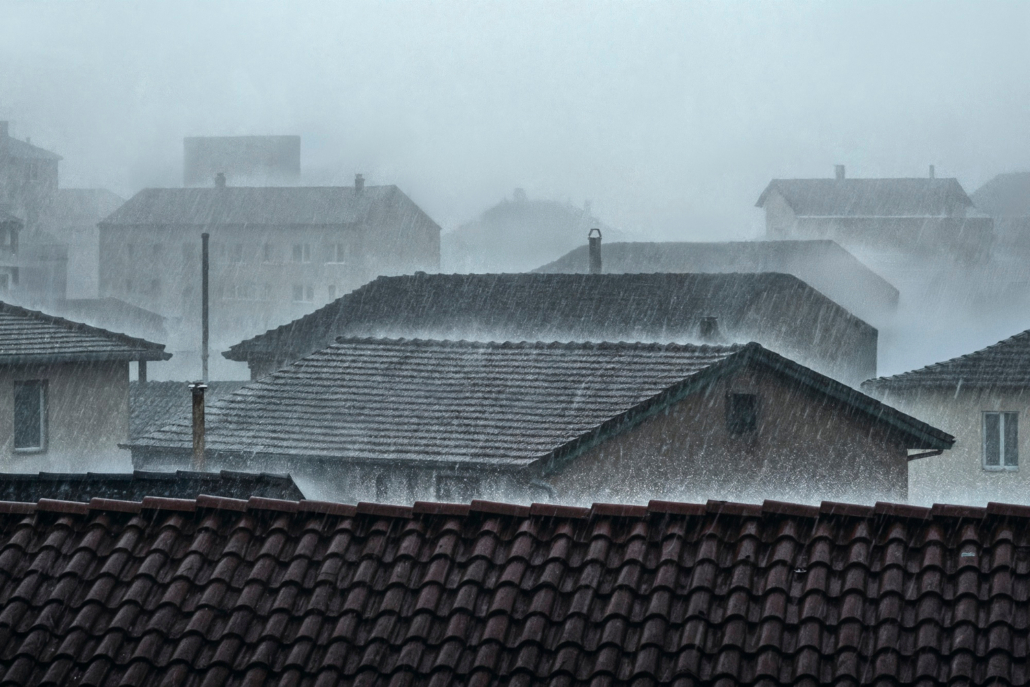
How Storm Damage Affects Roof Structures Over Time
Storms can leave behind damage that is not always obvious at first glance. While some effects are immediate, many issues develop slowly as materials weaken and moisture finds its way into vulnerable areas. Homeowners often assume that once a storm passes without visible leaks, the roof remains unharmed, but this is rarely the case.
Wind, rain, hail, and debris all place stress on roofing systems in different ways. Each event may seem minor on its own, yet repeated exposure gradually compromises structural components. Understanding how storm damage progresses over time helps homeowners recognize why early attention is critical rather than waiting for visible failure.
This long-term perspective is often emphasized by Ridge Runner Roofing, where the focus is on helping homeowners understand how delayed action can allow small storm-related issues to evolve into major structural problems.
The Immediate Impact of Severe Weather
Storm damage often begins with surface-level disruption. High winds can lift shingles, loosen fasteners, and disturb flashing around roof features. Heavy rain may exploit these weak points, allowing water to penetrate protective layers.
Even when materials appear intact from the ground, their resistance may be reduced. This initial weakening sets the stage for gradual deterioration.
Wind Damage and Progressive Weakening
Strong winds place continuous pressure on roofing materials. Shingles that lift slightly during storms may settle back into place, giving the appearance of no damage.
Over time, repeated lifting breaks seals and loosens attachment points. This makes the roof more vulnerable during future storms and increases the likelihood that repairs will be needed.
Hail Damage Beyond Surface Marks
Hail often causes bruising that is not immediately visible. These impacts compress materials and dislodge protective granules.
As granules wear away, underlying layers are exposed to sunlight and moisture. This accelerates aging and weakens the roof’s ability to shed water effectively.
Water Intrusion and Slow Structural Damage
Water intrusion is one of the most damaging long-term effects of storms. Even small entry points allow moisture to reach the roof deck and supporting structures.
Over time, trapped moisture leads to wood rot, mold growth, and weakened framing. This damage often progresses silently until significant repairs are required.
The Role of Repeated Storm Exposure
One storm rarely causes total failure. Instead, damage accumulates across multiple weather events.
Each storm compounds existing weaknesses, making the roof less resilient. This gradual decline explains why roofs may fail seemingly without warning years after the first incident.
Flashing Failures Over Time
Flashing protects joints and transitions where water is most likely to enter. Storms place stress on these areas through wind and temperature changes.
Once flashing loosens or separates, water intrusion becomes more frequent. Over time, this leads to deterioration of surrounding materials.
Debris Impact and Hidden Damage
Flying debris during storms can strike roofing materials with force. Even small impacts can crack or dent surfaces.
These imperfections create pathways for moisture and accelerate wear. Because damage may be localized, it often goes unnoticed until broader issues appear.
How Minor Damage Becomes Major Repairs
What begins as a small issue often escalates when left unaddressed. A lifted shingle may lead to moisture exposure, which then affects the deck and insulation.
Eventually, what could have been addressed with targeted Roof Repair may require more extensive work due to prolonged neglect.
Attic Spaces Reveal Long-Term Effects
Attics often show early signs of storm damage progression. Discoloration, damp insulation, or musty odors indicate moisture intrusion.
These signs reflect problems that began at the roof surface and spread inward over time.
Insulation and Energy Efficiency Loss
Storm damage affects more than structure. Moisture-compromised insulation loses effectiveness, increasing energy costs.
As insulation degrades, indoor comfort suffers, and the home becomes less efficient overall.
Structural Stress From Temperature Changes
Storms often bring rapid temperature shifts. Materials expand and contract, stressing fasteners and seams.
Over time, this movement weakens connections and contributes to long-term structural fatigue.
Delayed Leaks and Sudden Failures
One of the most frustrating aspects of storm damage is delayed leaks. Water may travel along framing before becoming visible inside the home.
By the time leaks appear, damage has often progressed significantly, requiring more than simple Roof Repair solutions.
Why Storm Damage Is Often Overlooked
Many homeowners associate damage only with visible leaks or missing materials. Subtle issues are easily dismissed.
This misunderstanding allows problems to worsen silently, increasing long-term repair costs.
The Importance of Post-Storm Evaluations
Evaluating the roof after storms helps identify early damage. Even when no immediate issues are visible, inspections reveal weakened areas.
Early intervention limits progression and protects structural components.
Long-Term Cost Implications
Addressing storm damage early is far less expensive than repairing advanced structural deterioration.
Timely Roof Repair preserves materials and extends roof lifespan, reducing the need for larger investments later.
How Maintenance Interrupts Damage Progression
Routine maintenance helps interrupt the damage cycle. Re-securing materials and sealing entry points restores protection.
This proactive approach prevents minor storm damage from escalating into structural issues.
When Cumulative Damage Becomes Critical
There is a point when accumulated storm damage compromises the roof’s integrity. Frequent leaks, sagging areas, and widespread wear indicate advanced deterioration.
Recognizing this stage early helps homeowners plan responsibly rather than reacting to emergencies.
Professional Insight Into Damage Patterns
Experienced professionals understand how storms affect different roofing systems over time.
Ridge Runner Roofing evaluates damage patterns rather than isolated issues, helping homeowners understand long-term risks and priorities.
Protecting the Home Beyond the Roof
Storm damage to the roof often affects walls, ceilings, and electrical systems. Preventing roof deterioration protects the entire home.
Structural preservation begins with maintaining the roof’s protective function.
The Value of Timely Action
Taking action after storms limits uncertainty and stress. Homeowners gain clarity and confidence by addressing issues early.
This approach transforms storm damage from a lingering concern into a manageable maintenance task.
Conclusion
Storm damage rarely causes immediate failure, but its effects compound quietly over time. Wind, hail, water, and debris weaken roofing systems gradually, allowing moisture and structural stress to take hold. Without attention, small issues grow into costly repairs that affect both structure and comfort.
Understanding how damage progresses empowers homeowners to act early. With timely Roof Repair and professional insight from Ridge Runner Roofing, storm-related damage can be managed before it compromises structural integrity, protecting the home and extending the roof’s lifespan for years to come.

Leave a Reply
Want to join the discussion?Feel free to contribute!