
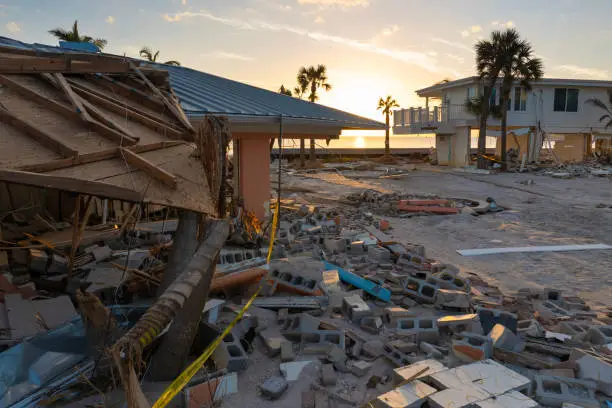
Rebuilding Strength After Severe Weather: A Complete Guide to Recovery and Renewal
When severe weather strikes, it often leaves behind a confusing landscape of damage, debris, and uncertainty. People face sudden disruptions to daily routines, emotional stress from unexpected loss, and difficult decisions about repairing their homes and properties. Recovery becomes manageable when approached with a detailed, organized, and well-informed process. Understanding the stages of assessment, cleanup, documentation, repair, and future preparation helps homeowners restore both their property and their sense of security.
Assessing the Full Impact of Storm Damage
The journey begins with understanding what has happened. After a major storm, damage can be visible or hidden. Roofs may lose shingles, siding may crack, gutters may hang loose, and windows may shatter. Beneath the surface, moisture can seep into insulation, wooden structures may weaken, and electrical systems may become compromised. Even small fractures in building materials can grow into expensive problems over time.
This is why careful evaluation is essential. Rushing into repairs without identifying all issues can lead to future complications. Professionals experienced in storm restoration in Montclair help uncover hidden hazards and structural vulnerabilities, making the recovery process smoother and safer.
Prioritizing Safety During Recovery
Safety is critical during every stage of recovery. Storm damage can leave behind sharp debris, exposed nails, broken glass, unstable structures, loose wiring, and saturated materials that may grow mold. Entering a damaged building without caution can lead to injuries, respiratory issues, or structural collapse.
Homeowners should avoid unstable areas, turn off utilities when flooding or electrical damage is suspected, and use protective gear when handling debris. Children and pets should be kept away from affected areas. Before cleanup, documenting the damage with photos and videos ensures smoother insurance claims. Many professionals in storm restoration assist with proper documentation, helping to provide accurate and detailed evidence.
Cleanup: Removing Debris and Drying the Property
Once safety is secured and damage is documented, cleanup begins. This stage is physically demanding but sets the foundation for repairs. Large debris, such as fallen branches, broken roofing, shattered glass, and displaced siding, is removed first. Clearing debris makes the environment safer and provides access to structural components that need attention.
Water damage is another major concern. Water often seeps into walls, floors, and insulation, remaining hidden even when surfaces appear dry. Lingering moisture can cause mold growth, rot, and structural weakening. Mold can begin forming within days, so prompt drying is critical. Professionals use industrial-grade dehumidifiers, air movers, and moisture meters to ensure proper drying. These tools are essential in effective storm restoration.
Salvaging and Discarding Materials
Determining what can be salvaged and what must be discarded is key. Porous materials like drywall, insulation, and carpeting often absorb water deeply, making them difficult to dry or sanitize. Retaining these materials can cause structural issues or health risks due to mold. Hard items such as glass, metal, and certain woods are easier to restore. Understanding what can be saved helps reduce future problems and minimizes costs.
Structural Repair and Rebuilding
With the property cleaned and dried, repair begins. Rebuilding structural elements, restoring interior finishes, and reinforcing the home against future storms are priorities. Roofs are often repaired first, as they are most exposed. Proper roofing improves safety, energy efficiency, and long-term protection. High-quality materials help withstand high winds and reduce future damage risks.
Siding and exterior walls are also crucial. Cracks or impact damage can allow water intrusion, pests, and reduced insulation performance. Modern siding materials offer better impact and moisture resistance. Windows and doors are repaired or replaced next. Damaged openings compromise security and energy efficiency, while modern reinforced systems improve durability. Interior repairs may include drywall replacement, painting, flooring restoration, and addressing structural shifts. Restoration is about returning the home to its previous condition and improving its resilience.
Managing Emotional and Financial Challenges
The recovery process can be emotionally taxing. Losing belongings, seeing damage, and facing uncertainty weigh heavily on families. Taking it step by step reduces stress, and support from family, neighbors, and professionals helps.
Financial pressures are also common. Even with insurance, unexpected costs arise. Transparent communication with contractors, planning repair priorities, and comparing materials and costs can help keep budgets manageable.
Long-Term Resilience and Preparedness
Once repairs are complete, focus shifts to resilience. Strengthening the property against future storms reduces vulnerabilities and provides peace of mind. Improvements may include impact-resistant roofing, reinforced siding, upgraded windows and doors, better drainage systems, and moisture barriers. Some homeowners install backup power systems, while others use smart-home technologies for monitoring leaks and structural shifts.
Preparedness also involves education: creating emergency kits, establishing communication plans, and knowing how to respond quickly to severe weather. Planning ahead ensures faster, safer recovery if storms strike again.
Conclusion: Recovery as a Path to Strength
Recovery from severe weather is not just a task but a journey toward stability, safety, and confidence. Every step provides an opportunity to strengthen the home and improve resilience. Whether guided by personal effort, family support, or professionals experienced in storm restoration, recovery is shaped by informed decisions and careful planning. Storm damage may disrupt life temporarily, but it also demonstrates the ability to rebuild, adapt, and emerge stronger than before.


Leave a Reply
Want to join the discussion?Feel free to contribute!