
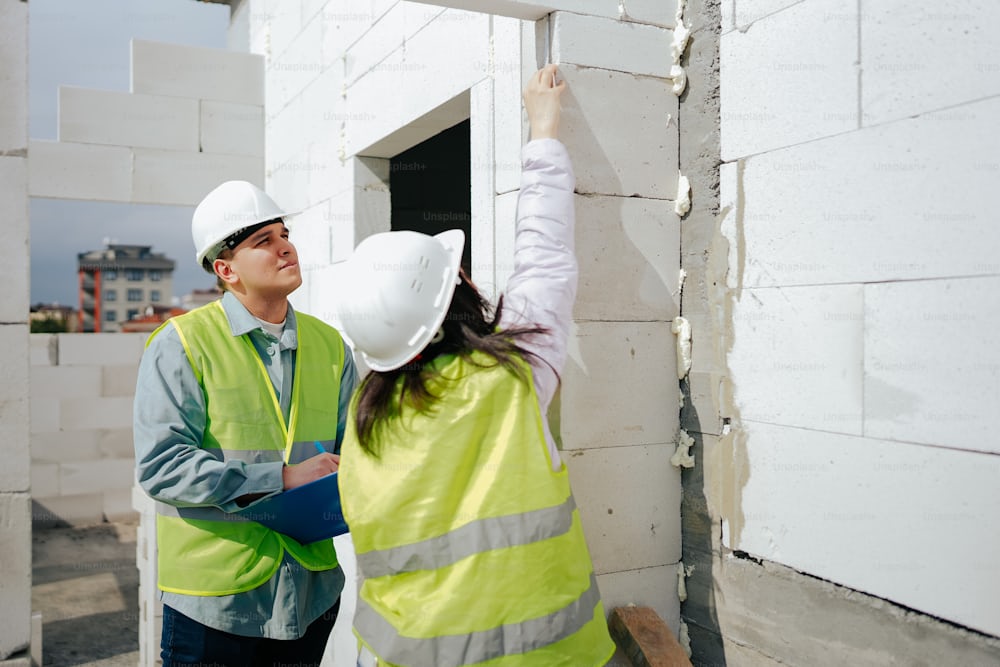
Ensuring Safety and Quality: The Essential Role of Building Inspections
The construction of a building is a complex process involving numerous professionals, stages, and safety considerations. Every project, whether residential, commercial, or industrial, requires a structured process that ensures compliance with codes, quality standards, and safety regulations. One of the most critical aspects of this process is building inspections. These inspections serve as checkpoints, verifying that every stage of construction meets the required standards and that the final structure is safe for occupancy. Without thorough inspections, even the most well-planned projects can encounter serious safety issues, structural failures, or costly delays.
Building inspections are not merely a regulatory requirement they are an integral part of the construction quality assurance process. They involve a comprehensive review of materials, workmanship, and adherence to approved plans. Inspections cover a variety of elements including foundation work, structural framing, electrical systems, plumbing, HVAC installations, fire safety systems, and accessibility compliance. Each of these areas is essential to ensure that the building performs as intended and remains safe for all occupants over its lifespan.
The Purpose and Importance of Building Inspections
At the heart of every construction project is the goal of delivering a safe, durable, and functional building. Building inspections are designed to protect the safety of future occupants while ensuring that the project complies with applicable codes and regulations. They identify potential hazards or construction deficiencies early, allowing builders to correct problems before they escalate into major issues. This proactive approach minimizes risk, prevents unnecessary delays, and helps maintain the overall project schedule.
Moreover, inspections offer an independent evaluation of construction quality. Even experienced builders benefit from having a neutral professional examine their work. These assessments provide accountability, transparency, and confidence to property owners, investors, and regulatory agencies. When a building passes inspections, it signifies that the structure meets professional standards and is fit for its intended purpose.
Types of Building Inspections
Building inspections occur at various stages of construction, each with a specific focus and objective. While the exact types of inspections may vary depending on the project type, code requirements, and regulatory agencies, most projects follow a general sequence:
1. Foundation and Site Inspections
Before construction begins in earnest, inspectors assess the site and foundation layout. They verify that the site is prepared correctly, soil conditions are suitable, and foundational plans adhere to engineering specifications. Proper site preparation prevents structural instability, water damage, and long-term settling issues.
2. Framing and Structural Inspections
Once the framework of the building is in place, inspections examine the structural integrity of load-bearing elements. Inspectors ensure that walls, beams, joists, and support systems comply with approved plans and building codes. Any deviations from specifications must be corrected before moving forward, as errors at this stage could compromise the entire structure.
3. Systems Inspections
As construction progresses, building systems such as electrical, plumbing, and HVAC undergo inspection. These inspections confirm proper installation, functionality, and safety compliance. Additionally, energy efficiency measures and fire prevention systems are often reviewed to ensure the building meets modern safety standards.
4. Final Inspections
After construction is complete, a comprehensive final inspection is conducted. This evaluation ensures that all components structural, mechanical, electrical, and safety are fully compliant and operational. Successful completion of the final inspection is often a prerequisite for occupancy permits and project closure.
The Role of Professional Inspectors
The effectiveness of building inspections depends largely on the expertise and diligence of the inspectors. Qualified inspectors are trained to recognize subtle construction deficiencies, code violations, and potential hazards that may not be obvious to untrained personnel. Their work requires attention to detail, technical knowledge, and strong communication skills.
Professional inspectors provide written reports that document their findings, often with recommendations for corrections or improvements. These reports serve as an official record of compliance and are valuable for builders, developers, and property owners. By identifying issues early, inspectors help prevent structural failures, costly repairs, and safety hazards, ensuring that the building delivers long-term value.
Common Issues Identified During Building Inspections
During inspections, several recurring issues tend to appear across construction projects. Recognizing these common problems helps builders prepare and prevent delays:
- Improper foundation grading or soil compaction – Can cause uneven settling or structural instability.
- Faulty framing or support misalignment – Weakens the structural integrity and may lead to long-term safety issues.
- Electrical and plumbing code violations – Increase fire risk and compromise water or energy efficiency.
- Incomplete or inaccurate documentation – Delays approval and occupancy.
- Non-compliance with safety or accessibility regulations – Can result in fines or legal liabilities.
A thorough inspection addresses these issues proactively, allowing builders to maintain high standards of construction quality and compliance.
Benefits of Regular Building Inspections
Regular building inspections provide numerous benefits beyond regulatory compliance:
- Safety Assurance – Ensures the building is safe for occupants and reduces the risk of accidents or structural failures.
- Cost Savings – Early detection of problems prevents expensive repairs or legal penalties later.
- Project Accountability – Promotes high-quality workmanship and maintains professional standards.
- Confidence for Stakeholders – Owners, investors, and insurers gain confidence in the structural integrity of the project.
- Longevity and Performance – Ensures that the building performs as intended and maintains its value over time.
These benefits make building inspections a critical investment rather than a mere regulatory obligation.
Integrating Inspections Into the Construction Process
For inspections to be effective, they must be integrated into the construction workflow rather than treated as an afterthought. Builders and project managers should schedule inspections at key milestones, maintain detailed documentation, and communicate proactively with inspectors. Collaboration between contractors, designers, and inspectors ensures a seamless process that minimizes delays and maximizes quality.
Additionally, modern construction technology can enhance inspection processes. Digital tools allow inspectors to track progress, annotate findings, and share reports in real-time. These innovations improve transparency and allow teams to respond quickly to issues.
Building Inspections and Long-Term Property Management
Building inspections are not just about immediate construction quality they also influence long-term property management. Well-documented inspections provide a reference for future maintenance, renovations, or compliance checks. Property managers can use these records to schedule preventative maintenance, address minor issues before they escalate, and ensure continued safety for occupants.
Furthermore, inspection reports enhance the property’s marketability. Buyers and tenants are more confident in a building that has been thoroughly inspected and certified, making inspections a strategic advantage in real estate management.
Conclusion: The Indispensable Role of Building Inspections
In conclusion, building inspections in Largo are a cornerstone of safe, high-quality, and compliant construction. They provide oversight, accountability, and early detection of potential problems, protecting both the occupants and the long-term value of the building. From foundational assessments to final approval, inspections ensure that every stage of construction meets stringent quality and safety standards.
By involving professional inspectors and integrating inspections into the construction workflow, builders can prevent costly mistakes, maintain regulatory compliance, and deliver projects that perform reliably for years to come. Every successful construction project relies on this critical process to safeguard safety, quality, and peace of mind.
Regular attention to building inspections not only minimizes risks but also enhances efficiency, reduces delays, and improves the overall construction experience for all stakeholders. Whether for new construction or renovations, inspections ensure that every detail aligns with professional standards and regulatory requirements.
Ultimately, the strategic use of building inspections guarantees that projects are completed on time, on budget, and to the highest standards of safety and performance. They are an essential practice that transforms ideas and blueprints into reliable, lasting structures that stand the test of time


Leave a Reply
Want to join the discussion?Feel free to contribute!